
6 Practical Tips for Tackling Strata Parking Problems
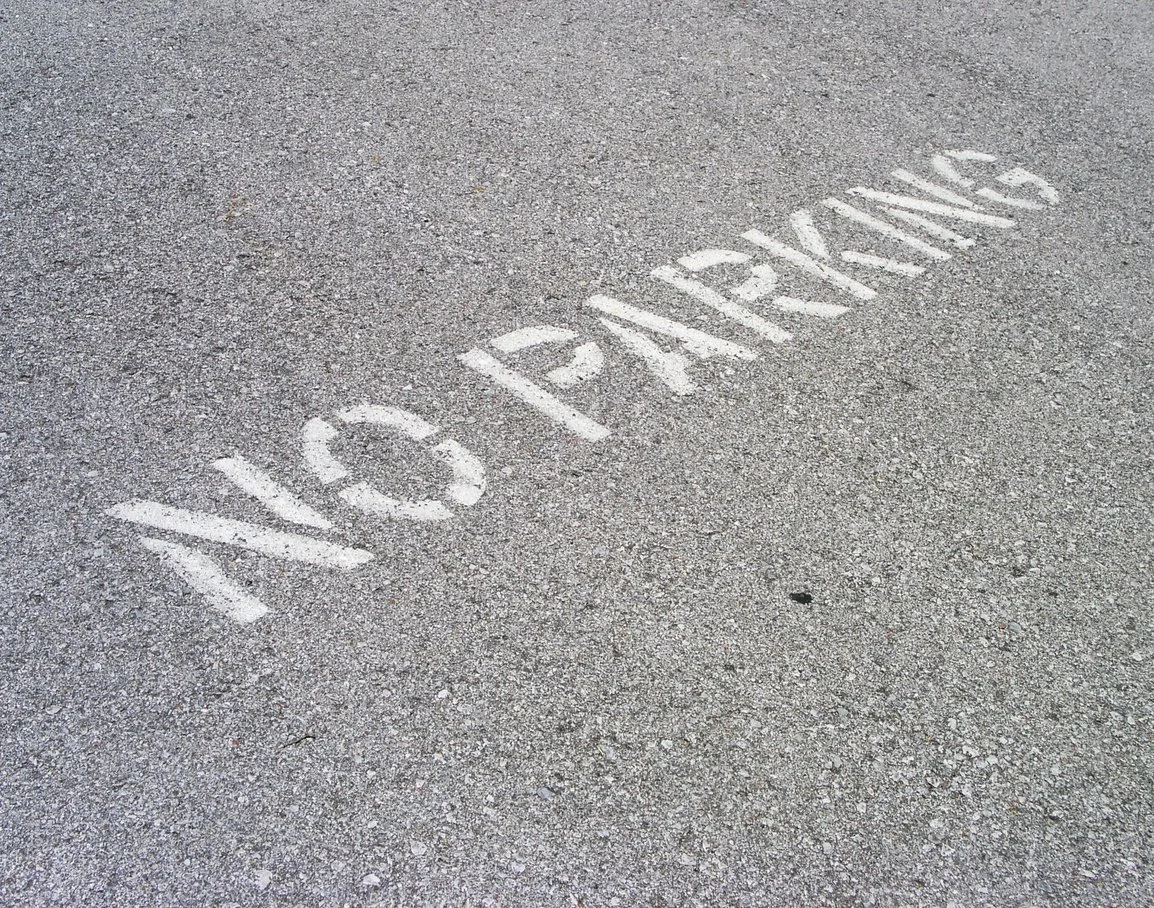
Parking issues are one of the most common and frustrating challenges in strata communities. From visitor spots being used as permanent parking to residents blocking driveways or parking on lawns. Small problems can quickly escalate into big disputes.
The good news: with clear rules, consistent action, and good communication, most strata parking problems can be managed effectively.
Here are six practical tips to help committees and residents keep parking under control.
1. Make Sure Your By-Laws Are Clear and Enforceable
Many parking disputes stem from outdated or vague by-laws. Review your scheme’s by-laws to ensure they clearly address:
Resident parking
Visitor parking limits (and what a visitor actually is)
Use of garages and car spaces
Blocking common property
If the rules are unclear, consider updating them. Modern, plain-English by-laws make enforcement fairer and easier.

2. Improve Signage and Markings
Sometimes people park incorrectly simply because the signage is poor or confusing. Clear, visible signs can dramatically reduce disputes.
Consider:
“Visitor Parking Only” signs
Painted numbers on allocated spaces
Repainting faded lines or arrows
Well-marked parking areas remove excuses and support compliance.
3. Educate Residents Regularly
Most new issues arise when new residents move in and just aren’t aware of the rules.
Committees should:
Provide a welcome pack explaining parking rules
Send occasional reminders via email or noticeboards
Highlight common problems and how they can be avoided
Friendly, proactive communication solves many issues before they become complaints.
4. Enforce Rules Consistently and Fairly
Under NSW strata law for example (but other jurisdictions have similar rules), an owners corporation can issue breach notices and apply penalties through NCAT when residents repeatedly do the wrong thing. But consistency is key.
That means:
Investigating complaints
Documenting breaches
Following the same process for everyone
Fair enforcement reduces claims of favouritism and encourages compliance.
5. Keep Garages and Car Spaces Clear, or Explore Practical Alternatives
Overflowing garages are a major cause of parking conflict. When residents use their garages or allocated car spaces for storage, they often spill over into visitor bays or common property. While the simplest solution is to clear the space, some residents genuinely lack storage options. Committees can help by offering realistic, practical alternatives such as:
Provide Approved On-Site Storage Options
If your building has unused areas such as basement corners, old plant or laundry rooms consider:
Installing secure storage cages
Licensing them to residents at a low monthly fee
Allocating spaces fairly and transparently
This reduces clutter while generating income for the scheme.
Clarify Fire and Safety Requirements
Items often end up in garages because residents don’t realise certain goods can’t be stored in basement areas. Providing guidance on fire safety and compliance helps residents reorganise safely and within regulations.
Offer Bulk Waste or Clean-Up Days
Organise bi-annual clean-up events so residents can easily dispose of old furniture, boxes and appliances. A coordinated disposal solution often frees up garages that have become accidental dumping grounds.
Encourage Off-Site Storage
Direct residents to:
Nearby self-storage facilities
Council storage options
Shared storage arrangements internally where appropriate
This is particularly useful for bulky items or long-term keepsakes.

6. Encourage Neighbourly Communication
Not every parking issue requires a formal breach notice. Often, a polite conversation is the quickest and easiest solution. Encourage residents to:
Approach neighbours respectfully
Assume mistakes are unintentional
Seek committee support only if the problem continues
Good communication maintains harmony and resolves many issues before they escalate.
Final Thoughts
Parking problems won’t disappear on their own. But with clear rules, good communication, and consistent enforcement, strata communities can reduce conflict and create fairer, safer parking arrangements for everyone. A proactive committee, and cooperative residents, go a long way toward keeping parking stress to a minimum.
Help in your state or territory:
Australian Capital Territory Access Canberra
New South Wales NSW Fair Trading
Northern Territory NT Consumer Affairs
Queensland Office of Fair Trading (QLD)
South Australia Consumer and Business Services (CBS)
Tasmania Consumer, Building and Occupational Services (CBOS)
Victoria Consumer Affairs Victoria
Western Australia DMIRS (Consumer Protection)

Share this article:


Disclaimer:
This article is intended for general educational purposes only and does not constitute legal or financial advice. Readers should seek independent legal and professional guidance relevant to their specific circumstances and jurisdiction